
Five Things They Don’t Tell You About Opening a Hotel
By Patrick Luk
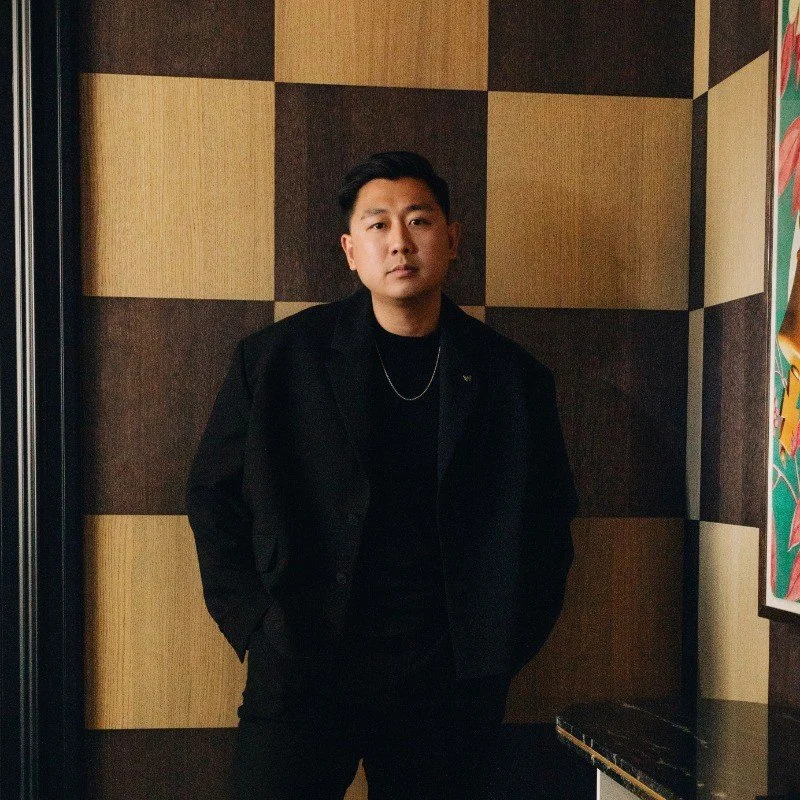
When people talk about opening a hotel, they usually focus on the visible moments: the launch party, the press coverage, the first fully booked weekend. What they don’t often talk about is the invisible work, the narrative building, the internal education, and the cultural groundwork, that determines whether a hotel becomes a place people visit, or a place people believe in.
After working across multiple luxury and lifestyle openings, including the opening of W Budapest and currently leading the pre-opening of St. Regis Budapest (opening April 2026), I’ve learned that successful openings are less about campaigns and more about conviction. Here are five things I’ve learned along the way.
1. Narrative Is Everything
One of the most important lessons I was taught early on, by Yamil, in fact, was this: if you don’t define your narrative, the market will do it for you.
At W Budapest, we built the entire positioning around Daring Duality: heritage versus modernity, light versus shadow, tradition versus reinvention. But the real work wasn’t creating the phrase. It was teaching it.
We embedded that duality into everything: how we spoke internally to our team, how we built our partnerships, how we designed our programming, how we wrote our website, and how we briefed press and tastemakers. The narrative became a filter for every decision.
When that happens, a hotel stops being a building and starts becoming a cultural idea.
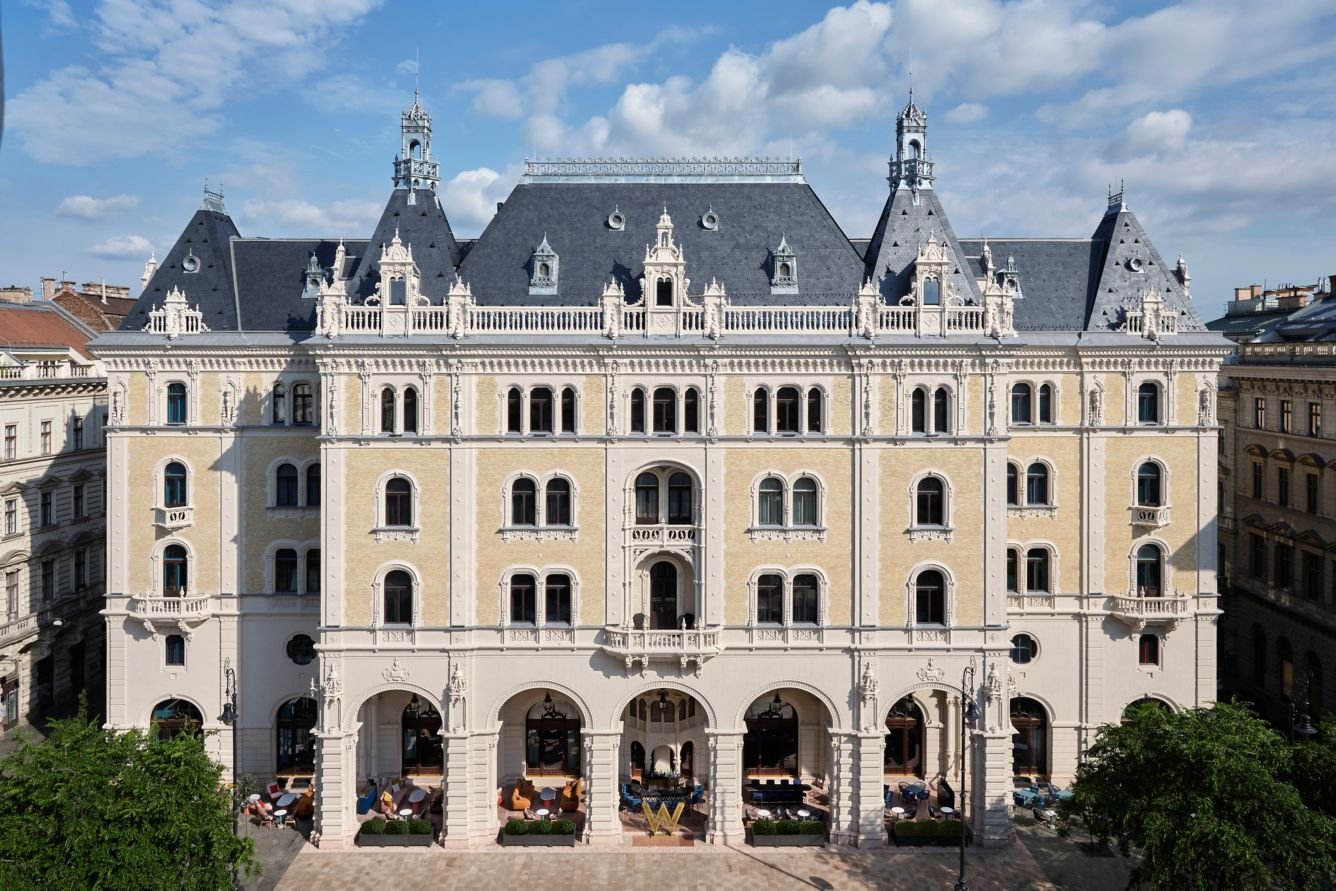
W Budapest
2. Culture Is Your Real Marketing Channel
A hotel becomes a cultural hotspot not because it says it is, but because the right people decide it is.
We leaned heavily into fashion, design, gastronomy, and creative collaboration to reach different audiences through different cultural doorways. One of the most meaningful moments for me was our collaboration with Nanushka during Budapest Fashion Week, where we created an unexpected installation inside the hotel to showcase their latest collection during our opening phase.
That moment didn’t just generate press. It positioned the hotel inside a creative ecosystem, and later became part of the Assouline Budapest Gem book. That’s when you know your brand is living beyond your own channels.
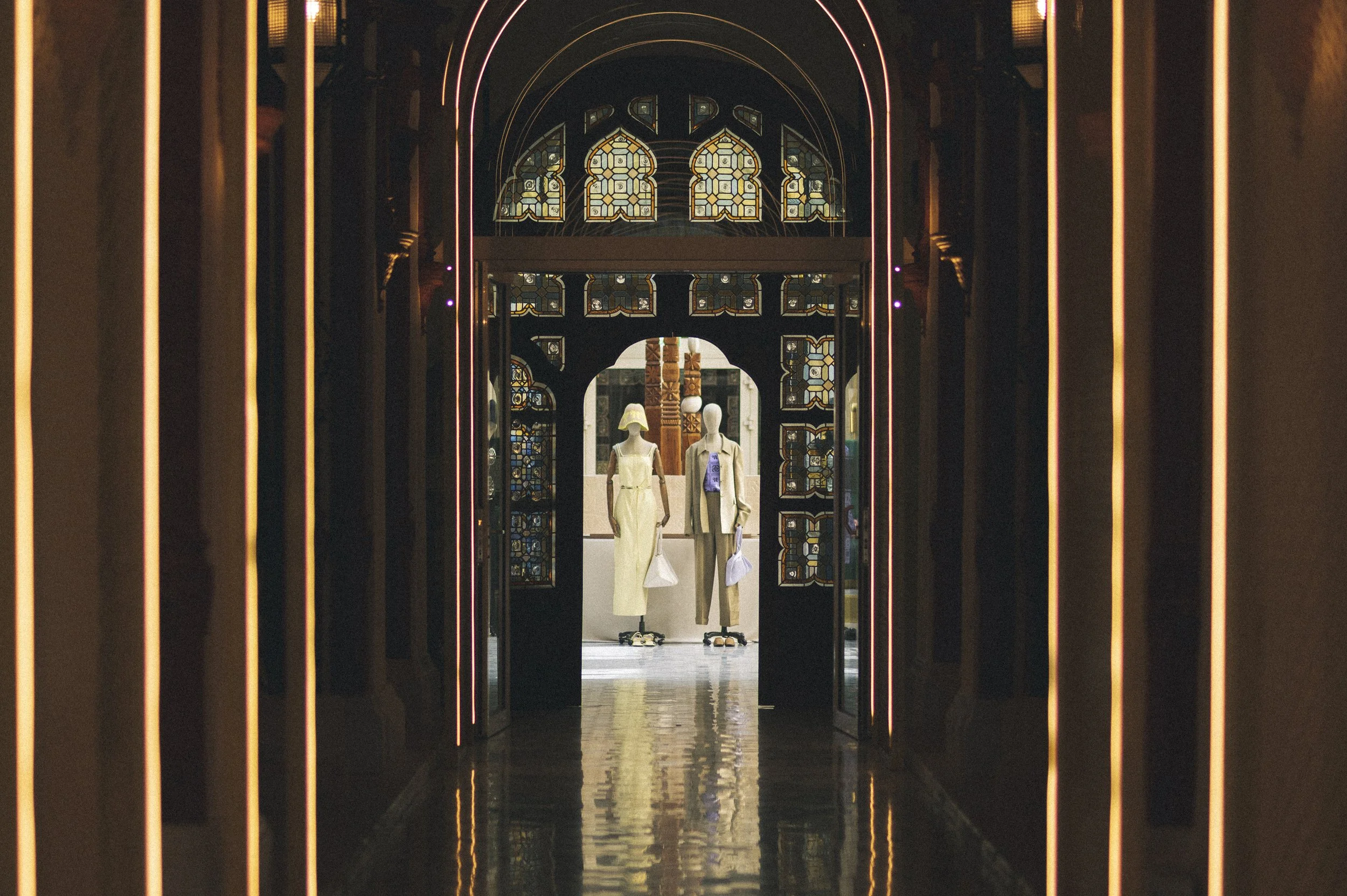
Nanushka Fashion Activation
3. Think in Momentum, Not Moments
Opening day is not the finish line. It’s the starting gun.
What I learned very quickly is that always-on programming matters more than one big launch. Cultural relevance is built through rhythm, not noise. The hotels that stay top-of-mind are the ones that keep showing up, in music, in art, in wellness, in food, and in conversation.
For me, this meant shifting from “launch campaigns” to cultural calendars. Programming became a long-term brand engine, not a short-term marketing tool.
4. Use Pre-Opening Budget to Create Long-Term Value
Pre-opening budgets are often bigger than anything you’ll see once operations begin, and how you use them can shape your brand for years.
Not every campaign needs to be directly revenue-driven. Some should be value-driven.
One of my favourite examples was creating a bespoke chess set with British designer Ronan McKenzie as part of a UK-facing PR campaign. It wasn’t a room-night generator in the traditional sense, but it became a premium storytelling asset that strengthened our positioning and supported our high-end room and experience-led offerings.
The question I always ask is: Will this still mean something a year from now?
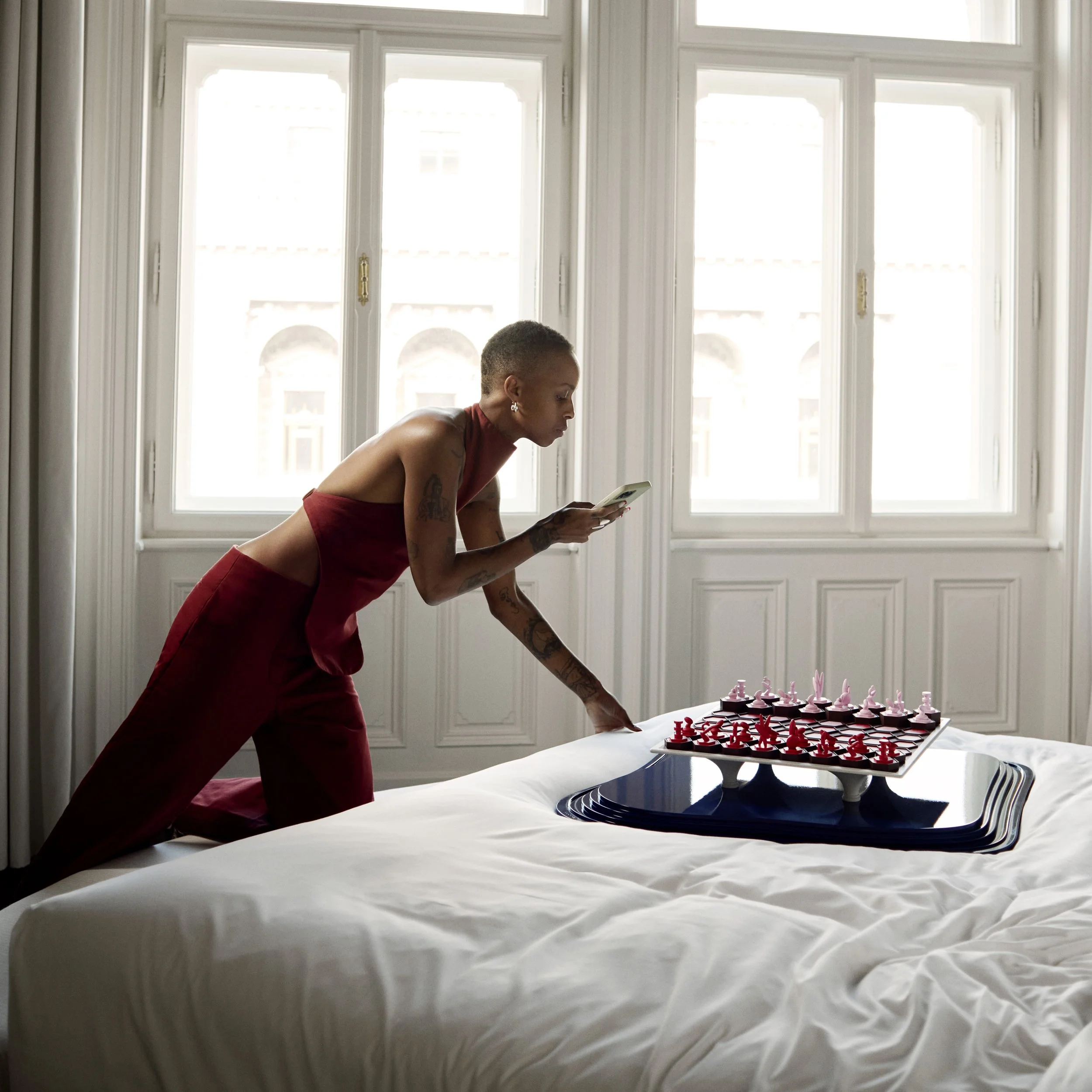
Chess set by Ronan McKenzie
5. Know Your Objective, and Be Ready to Defend It
Marketing is constantly asked to prove its value, and not everything fits neatly into a revenue column.
That’s why it’s critical to know what each campaign is actually designed to do.
Is it awareness? Demand generation? Market entry? Rate positioning? Cultural credibility?
When you can clearly articulate that, you can bring senior stakeholders into the strategy, not just the results. That alignment changes the conversation from “What did this cost?” to “What did this move?”
Bonus: Own the Brand
The final piece is personal.
As a marketer, you don’t just promote a brand. You represent it. That means knowing its language, its history, its standards, and its boundaries. When you truly own the brand, it shows in how you brief your team, how you choose your partners, and how you show up in the market.
People don’t connect with logos. They connect with belief. And belief starts with the people behind the brand.
Opening a hotel is less about launching a product and more about introducing a character to a city. If you get the narrative right, build the culture intentionally, and think beyond opening day, the hotel doesn’t just open. It enters the conversation.
Images courtesy of Marriott International. All rights belong to their respective owner.
